
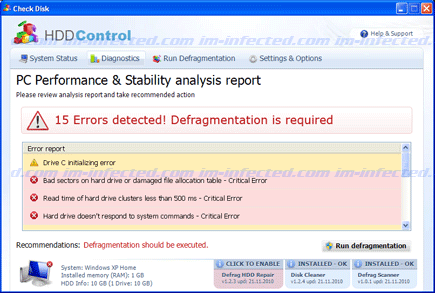
Having HDD Control ( HDDControl ) in the computer is just like having contaminated with a potentially unwanted program. This is because HDD Control virus will never have a positive effect once installed on the computer. It is just part of a large group of programs that pretends to be a computer optimization tool. This is not the same legitimate program that was developed by Ashampoo, instead it was found out to be related to CheckDisk and UltraDefragger. When installed on the computer, user will experience a pop-up of alert messages sending false reports on a number of errors detected and requires to run a defragmentation of the hard drive. Unexpectedly, defragmentation cannot be run with the current installation, it will prompt to purchase the registration key first.
Rogue
Rogue programs can be fake anti-virus or utilities that use deceptive means to entice user into paying for the paid version of the software. Rogue application is commonly distributed in trial version.
Vista Internet Security
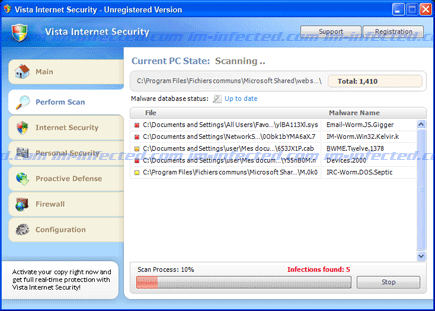
Vista Internet Security with variants of Vista Internet Security 2011 is virus that will promote itself as an AV software for computers running under the platform of Windows Vista. Vista Internet Security will excessively provide alerts and messages to deceive its victim that presence of virus is detected on the computer. An advise to remove the threats will constantly appear but compromised users must obtain the paid version of Vista Internet Security first. When Windows is started, common changes one may observe is the automatic launch of its own virus scanner. Bunch of threats will be displayed but in reality none of those detected exists. This is just an scare tactics usually employed by rogue developers to be able to help in selling the useless program. One of the fake warning message is as follow:
Remove CheckDisk
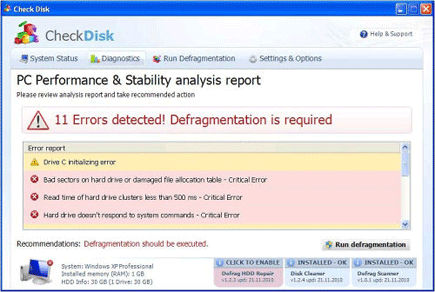
CheckDisk or sometimes called as Check Disk Virus, is another unsafe program from the same family of fake Windows tools. CheckDisk will camouflage itself as optimization software to fix computer errors particularly those that were found related to hard disk and system performance.
XP Internet Security
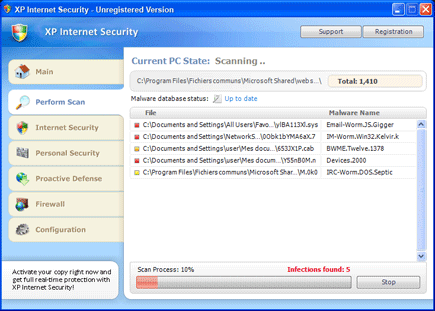
XP Internet Security, sometimes called as XP Internet Security 2011 will spread violently on computers by means of a Trojan. As of this writing, most of the installed anti-virus program will not see it coming. XP Internet Security is still undetectable because it uses a rootkit technology where it can conceal itself from legitimate system files, making it hidden to most antivirus products.
Remove Vista Guard
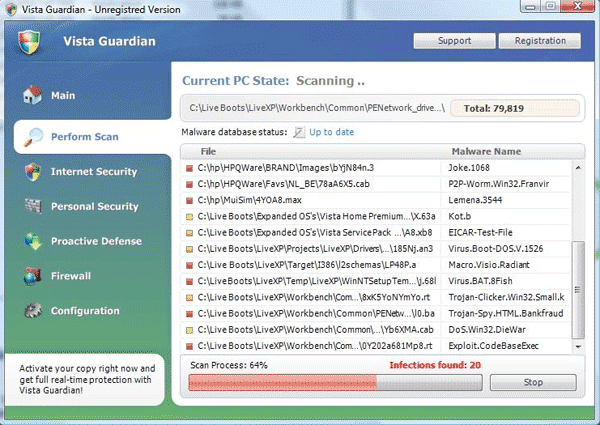
Vista Guard is a rogue anti-malware program that will be promoted on fake security web sites and caters to different versions of Windows operating system. Vista Guard will show various warning signs about a severe virus infection. It also claims that some programs on the computer are already infected with Trojan.
Remove Ultra Defragger
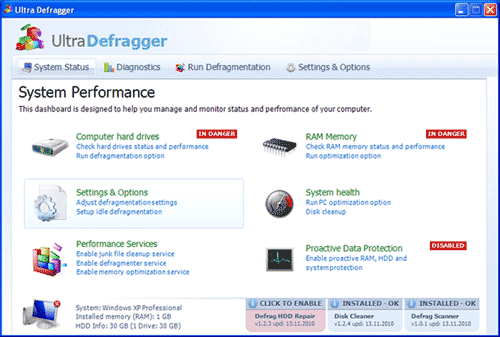
Ultra Defragger is another computer threat in disguise. This fake program was designed to look like Windows optimization tool and was part of a group where HDD Defragmenter and Smart Defragmenter also belong. These fake hard disk utility software shares the same graphical users interface and objective – that is to confuse users regarding the instability of the computer.
Remove XP Guard
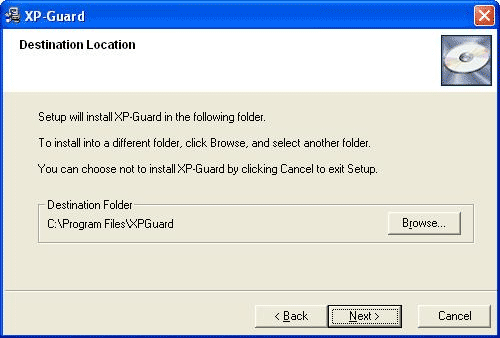
XP Guard is considered as rogue computer security program because of its illegal means of distribution. It is exercising unfair method of promotion. XP Guard virus will be uploaded on several web sites and utilized them as a server for this fake antivirus.
Get rid of Antivirus V8
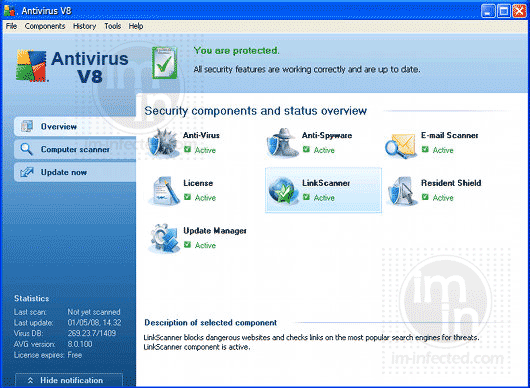
When rogue program Antivirus V8 is installed on the computer, it will be configured to start automatically by placing its own entry on the Windows registry. Once loaded, this rogue software V8 will perform a virus scan and produced false results attempting to mislead users.
Remove Internet Security Suite
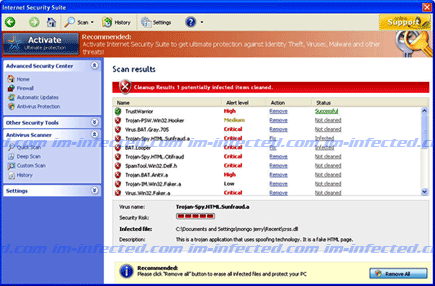
Remove Internet Security Suite rogue program once it is observe on the computer. Its penetration to the computer may bring added damages aside from installing its own code. Internet Security Suite virus will attempt to connect to different remote computers to download additional threats and amplify itself.
Remove Win7 Antispyware 2011, Vista Antispyware 2011 and XP Antispyware 2011
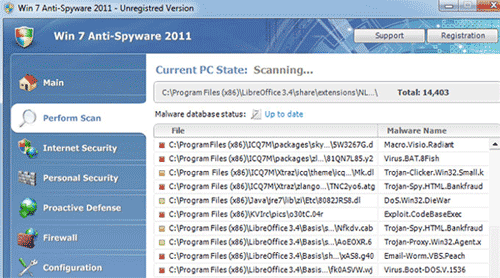
Win7 Antispyware 2011 or sometimes installed as Vista Antispyware 2011 and XP Antispyware 2011 are rogue security programs that will be loaded on computer depending on the operating system of the victim. It has the ability to examine target’s computer system and configure itself if necessary.