

Searchnu.com/406 is a browser hijacker that will replace the default home page settings on the infected computer. This is commonly brought about as a package tool if you install a program. It is typical for some program to include add-ons such as searchnu when installing the main component.
Robert La Nguyen
Remove Win32:Downloader-PKU
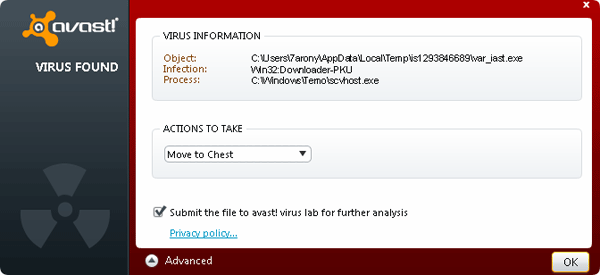
Win32:Downloader-PKU is a heuristic detection for a Trojan that will communicate with a remote hosts and download other malware. This kind of Trojan is used for a variety of purposes. Most common is to download threat such as password-stealing malware. It is also use to deploy other malware also from the same group. Other attackers may utilize this Trojan to download and install rogue software on the computer.
Remove Win32/Sirefef.FY
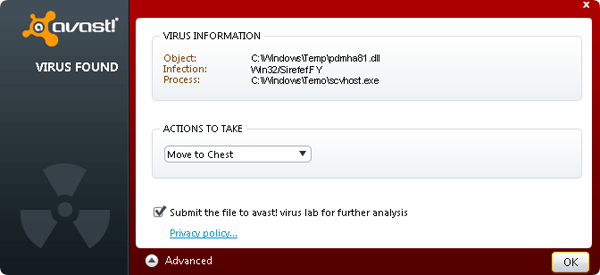
Win32/Sirefef.FY is a detection for a variant malware that belongs to a large group of rootkit Trojans. This multi-part family applies a stealth function to hide its presence on the infected computer. It also attempts to avoid detection from antivirus program that is installed on the target computer. It can conceal not only the files, but also the processes it is using while it exists on the computer.
Remove Keep Center Keeper
Keep Center Keeper is a fake anti-virus software that will keep on showing you fake warnings and alert messages. Each time you logon to Windows, this malware will run a scan on its own without your intervention. This aggressiveness signifies that Keep Center Keeper is indeed a program that you must avoid.
Remove Windows Premium Defender
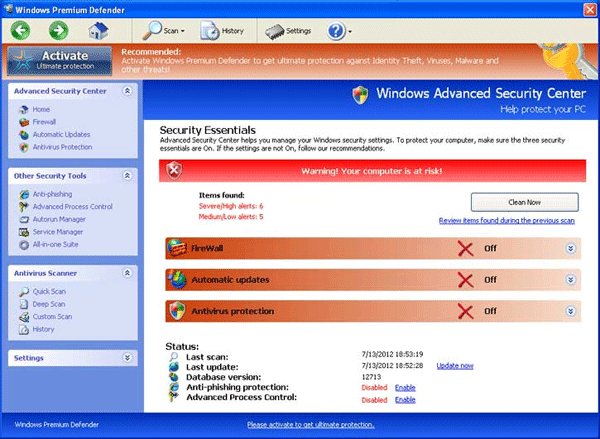
Windows Premium Defender is a fake antivirus program that is spread using a Trojan. It can be loaded into your computer without asking for your permission. That is the goal of the Trojan – to install the fake program by exploiting security fault on your system.
Uninstall Windows Web Combat
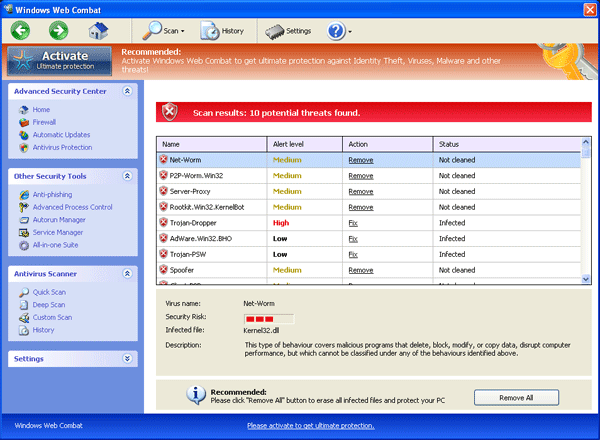
Windows Web Combat is another version of malware coming from a clan called FakeVimes. This fake antivirus attempts to fool you into purchasing the product through misleading tactics. Its main goal is to sell a fake program. This is why; victims typically glimpse a repeated warnings and notices about threats on the system. It is followed by an advice to purchase Windows Web Combat urgently. Warning can contain a message that acquiring the product gives instant cure for computer viruses. However, during analysis, we found that Windows Web Combat is not in any way capable for removing any viruses from an infected computer. It is lacking of essential modules to perform PC protection either.
Remove File Recovery Malware

After months of dealing with fake hard drive recovery software, here comes a new malware that disguises as File Recovery tool. This rogue program is utilizing a Trojan to be able to squeeze into your computer. If you are using outdated version of Internet browser, fear that File Recovery may intrude your PC sooner. This Trojan looks for loopholes in older browser, which it will used to attack the system.
Remove Win32:Sirefef-PL [Rtk]
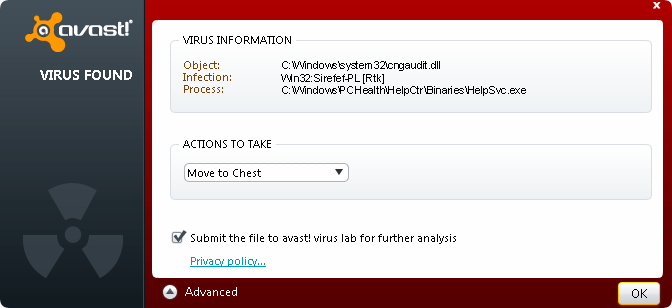
Win32:Sirefef-PL [Rtk] is part of a multi-modular family of Trojan that has stealth capability to hide its presence on the infected computer. It will inject its code to valid Windows drivers and processes so that it runs everytime Windows starts. Different variants of this threat carry diverse functionalities. However, main goal of Win32:Sirefef-PL [Rtk] is to conceal its presence in order to carry on with its payload.
Remove Win32:Atraps-PF [Trj]
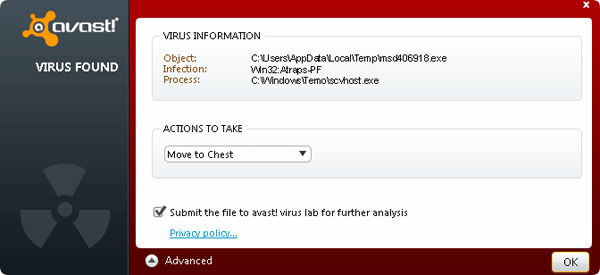
Win32:Atraps-PF [Trj] is a detection for Windows components that are compromised by malicious code. In other terms, this is called patching. The purpose of patching legitimate files varies. For an instance, a Trojan patches system files to run a code when Windows starts. Some embed harmful strings at the header of target files to disable certain programs.
nginx Trojan (Welcome, 404 not found, 403 Forbidden)
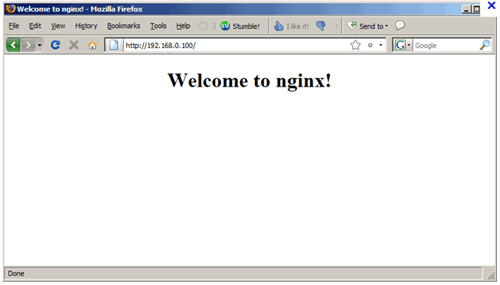
Nginx is a free open source HTTP and proxy server. It may be also utilized as IMAP/POP3 proxy server. Nginx comes from a term EngineX was first released in 2004. To date, it is now used by almost 25 million web sites. In fact, nginx fuels high quality web sites including WordPress, CloudFlare, Netflix, Zynga, Pinterest, GitHub among others.