
HikeSearch is a deceptive browser extension purposely made for Safari, Chrome, and Firefox. This adware program was purposely created to attack Mac OS X systems. It presents attractive and seemingly like useful functions. HikeSearch claimed that this program will help users to have a safer, faster, and better search experience.
On the other hand, the real intent of HikeSearch is to display ads to gain online profit. Thus, this adware may cause unwanted redirect and mislead you to harmful web pages. Please keep in mind that pop-up ads from HikeSearch has often link to promoters web site. Crooks have been widely doing this approach to make easy money online.
While HikeSearch is running on your Mac computer, you may encounter strange and odd behaviors of your browser and computer. Tons of online ads are expected, as your PC is being used by crooks as platform to promote products. Before it further ruin your online surfing, then it’s much be better to be removed right away.
Even your privacy could no longer safe once you found out pop-up ads from HikeSearch. This malware is able enough to steal your crucial data. It collects and records vital browsing details that can be used to help improve their advertising analysis.
HikeSearch is an intrusive type of adware that can be installed without knowing it. This is often comes packed along with freeware and shareware. Thus, to avoid having HikeSearch and other adware, you just have to be very careful when adding programs into your PC. Make sure that there was no extra program installed aside from your chosen application.

Threat Summary
| Threat: | HikeSearch |
| Type: | Adware |
| Brief Description: | Adware are unwanted programs that can pose serious threats on Mac computer. |
Description
HikeSearch is a deceptive browser extension purposely made for Safari, Chrome, and Firefox. This adware program was purposely created to attack Mac OS X systems. It presents attractive and seemingly like useful functions. HikeSearch claimed that this program will help users to have a safer, faster, and better search experience.
On the other hand, the real intent of HikeSearch is to display ads to gain online profit. Thus, this adware may cause unwanted redirect and mislead you to harmful web pages. Please keep in mind that pop-up ads from HikeSearch has often link to promoters web site. Crooks have been widely doing this approach to make easy money online.
While HikeSearch is running on your Mac computer, you may encounter strange and odd behaviors of your browser and computer. Tons of online ads are expected, as your PC is being used by crooks as platform to promote products. Before it further ruin your online surfing, then it’s much be better to be removed right away.
Even your privacy could no longer safe once you found out pop-up ads from HikeSearch. This malware is able enough to steal your crucial data. It collects and records vital browsing details that can be used to help improve their advertising analysis.
HikeSearch is an intrusive type of adware that can be installed without knowing it. This is often comes packed along with freeware and shareware. Thus, to avoid having HikeSearch and other adware, you just have to be very careful when adding programs into your PC. Make sure that there was no extra program installed aside from your chosen application.
Procedures to Remove HikeSearch
Removal steps on this page will help you get rid of the threat effectively using tools and virus scanners. Please make sure that you will carry out the guide in exact order.
Remove HikeSearch from Safari browser
1. Open Safari browser.
2. Go to Safari menu.
3. Choose "Preferences".

4. This will open the Safari settings dialog box.
5. Please select "Extensions" tab to see list of installed extensions.
6. Select HikeSearch from the list. If not found, it may be hiding under a different name. Look for unknown or suspicious item.
7. Turn off the extension by removing the Check Mark on the box beside "Enable HikeSearch extension". You can also Uninstall the extension if you need to permanently remove it from the computer.
8. Please close Safari browser at the moment and proceed to the next procedure.
Manually delete all files dropped by the adware
1. Navigate the Apple Menu bar and click on "Go". Then, select "Go to Folder".

2. Copy and paste, or type the following line in the field and press Enter on your keyboard:
/Library/LaunchAgents
3. LaunchAgents folder should open at this point. Look for items with the following file name:
- HikeSearch.update.plist
- HikeSearch.AppRemoval.plist
- HikeSearch.download.plist
- HikeSearch.ltvbit.plist
- .com. HikeSearch.agent.plist
- .com.SoftwareUpdater.agent.plist
4. Move each file to the Trash. This action may require administrator privilege. If you are not logged in as administrator, you need to provide required password.
5. Go to a different folder again using procedure from Step 1 and copy and paste or type the following line:
~/Library/LaunchAgents
6. Do the same process as in Step 3 and move each file to the Trash.
7. Next, we need to look at Application Support folder. Using the same method as above. Go to this location:
~/Library/Application Support
8. Find the same files as in Step 3 and drag them to the Trash.
9. Go back to Apple Menu and then select Applications from the drop-down list.
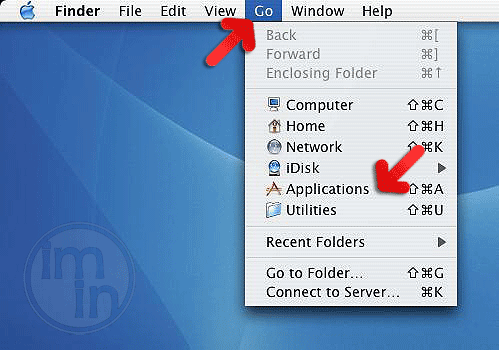
10. Delete the following folders just in case they do exist.
SoftwareUpdater HikeSearch
Note: Malware may use alternative names instead of HikeSearch to mislead security programs as well as users. If in case the above list is not present, please look for unfamiliar or suspicious items containing the same extension as update.plist, ltvbit.plist, and download.plist.
Scan with MBAM to easily get rid of HikeSearch
1. Download Malwarebytes Anti-Malware for Mac from the link below.

2. Drag the downloaded file MBAM-Mac-[version].dmg to Applications folder.
3. Under Applications folder, right-click on Malwarebytes Anti-Malware and select "Open" from the given choices.
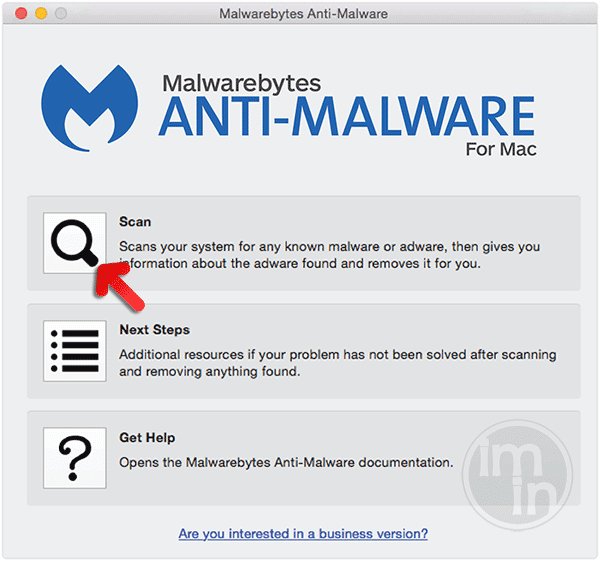
4. After opening the tool, click on the "Scan" button to start checking the computer for presence of HikeSearch and other malware.
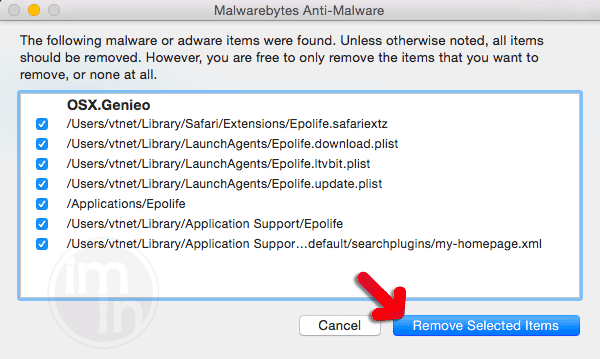
5. When scanning is done, the tool will display all identified threats. Be sure to select malicious items.
6. Click on "Remove Selected Items" to delete the threats.